
Where to source clothes:Where can I source clothes for resale or a boutique?
Q: Where can I source clothes for resale or a boutique?
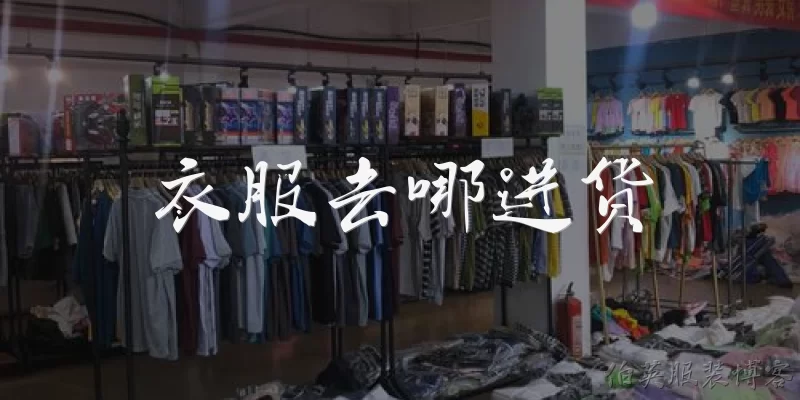
A: For resale or boutique sourcing, the best options depend on your budget, target market, and volume. Wholesale marketplaces like Faire, Alibaba, and Tundra connect you directly with brands and manufacturers, often at 50% off retail. Trade shows such as MAGIC in Las Vegas or Pure London let you meet suppliers in person and negotiate terms. If you want vintage or one-of-a-kind pieces, estate sales, online auctions like eBay and Depop, and regional flea markets are goldmines. For sustainable or deadstock inventory, check platforms like Norbulk, Vintage Wholesale Supply, and Chemical-Free Wholesale. You can also approach local designers directly, especially if you plan to carry small-batch or handmade items. Another route is liquidation pallets from sites like B-Stock or Liquidation.com, which offer brand-name clothing at steep discounts, though quality control is limited. Start with smaller orders to test demand, and always request samples before committing to large volumes.
Q: What are the best online platforms to source clothes in bulk?
A: The top online platforms for bulk clothing sourcing include Alibaba, Faire, Tundra, and FashionGo. Alibaba is ideal for high-volume, low-cost manufacturing, especially if you work directly with factories in China, India, or Vietnam. Faire and Tundra cater to boutique owners, offering net-60 terms, free returns on first orders, and low minimums from independent brands. FashionGo specializes in trendy wholesale apparel with fast shipping from Los Angeles. For streetwear or luxury deadstock, try platforms like Nasty Pig or Hype Reloaded. If you prefer domestic suppliers, Maker's Row connects you with American factories, while Sewport helps you find vetted manufacturers globally. Don't overlook social media sourcing: Instagram and Facebook groups like 'Wholesale Clothing Suppliers' often list bulk lots. For secondhand or vintage bulk, use eBay, ThredUp's resale-as-a-service, or Bank & Vogue. Always compare unit prices, shipping costs, and return policies before ordering. Reading supplier reviews and requesting a sample order will save you from costly mistakes.
Q: How can I find ethical and sustainable clothing suppliers?
A: To source ethical and sustainable clothing, look for certifications like Fair Trade, GOTS (Global Organic Textile Standard), B Corp, and OEKO-TEX. Platforms such as Common Objective, Sustainable Apparel Coalition, and Ethical Fashion Forum list vetted suppliers. Faire has a 'sustainable' filter, and Tundra highlights eco-friendly brands. For direct sourcing, check the Fashion Revolution's Transparency Index to see which brands disclose their factories. You can also contact cooperatives like Mata Traders or Indigenous, which work with artisan groups. Another route is deadstock and overstock from sites like Queen of Raw or FabScrap, which resell unused fabric and unsold garments. If you want small-batch organic cotton or hemp, try manufacturers like Kontoor Brands or Groceries Apparel. Always ask suppliers for proof of fair wages, safe working conditions, and environmental practices. Visiting factories or using third-party auditors like SEDEX or BSCI adds credibility. Remember, true sustainability also means durable designs and circular business models, so consider partnering with repair or take-back programs.
Words of experience
Common scenarios of "Where to source clothes"
【Fashion Enthusiast】 Hey, I've been thinking about updating my wardrobe. Where do you usually source your clothes?
【Sustainable Shopper】 I mostly shop second-hand or from sustainable brands. It's better for the environment and often cheaper.
【Fashion Enthusiast】 That makes sense. Any specific stores or websites you recommend?
【Sustainable Shopper】 Definitely. For online, I like ThredUp and Poshmark. For in-person, local thrift stores and consignment shops.
【Fashion Enthusiast】 I've tried ThredUp before, but sometimes the quality is hit or miss. How do you ensure you get good items?
【Sustainable Shopper】 I always check the measurements and read the descriptions carefully. Also, filtering by 'new with tags' or 'like new' helps.
【Fashion Enthusiast】 That's smart. What about sustainable brands? Aren't they usually expensive?
【Sustainable Shopper】 Some are, but there are affordable ones like Pact, Reformation (on sale), and Everlane. Also, buying less but higher quality saves money long-term.
【Fashion Enthusiast】 I see. Do you ever shop at fast fashion stores?
【Sustainable Shopper】 Rarely. I try to avoid them due to ethical and environmental concerns. But if I do, I look for their sustainable lines or buy second-hand from those brands.
【Fashion Enthusiast】 What about local boutiques? Are they worth checking out?
【Sustainable Shopper】 Absolutely! Local boutiques often carry unique pieces and support the community. Plus, you can sometimes find locally made clothing.
【Fashion Enthusiast】 I'll have to check some out. Any tips for finding good deals?
【Sustainable Shopper】 Sign up for newsletters to get discounts, shop end-of-season sales, and consider clothing swaps with friends.
【Fashion Enthusiast】 Clothing swaps sound fun! How do you organize one?
【Sustainable Shopper】 Invite friends, everyone brings gently used clothes, and you swap. It's a great way to refresh your wardrobe for free.
【Fashion Enthusiast】 That's a great idea. I'll look into it. Thanks for all the tips!
【Sustainable Shopper】 No problem! Happy to help. Let me know if you need more specific recommendations.
【Fashion Enthusiast】 Will do. I'm excited to start shopping more sustainably.
【Sustainable Shopper】 You'll love it. It's rewarding to know your clothes have a story and less impact.