Zhengzhou Clothing City:What is Zhengzhou Clothing City and why is it important for wholesale buyers?
Q: What is Zhengzhou Clothing City and why is it important for wholesale buyers?
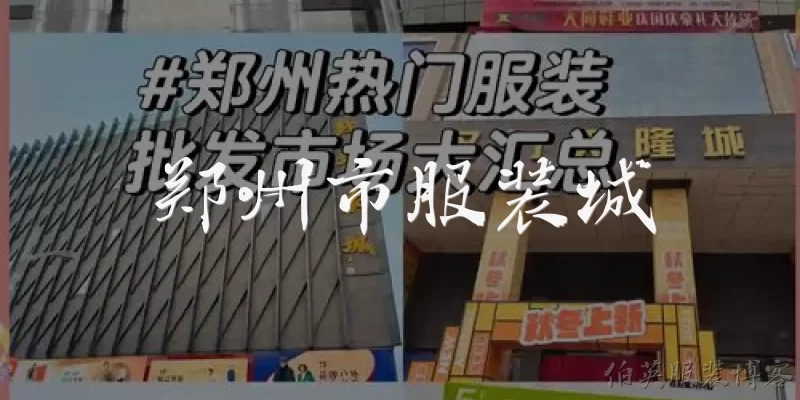
A: Zhengzhou Clothing City refers to the cluster of large garment wholesale markets centered around the Yinzhuang and Shifu Road areas in Zhengzhou, Henan Province. It is one of the largest clothing wholesale hubs in central China, comprising dozens of specialized malls such as the Yinzhuang Clothing Market, Shifu Square, and Jinrong International Clothing City. For wholesale buyers, its importance lies in three factors: scale, price, and logistics. The markets aggregate thousands of manufacturers and suppliers, especially for mid- and low-price casual wear, knitwear, and children's clothing, giving buyers wide selection and competitive factory-level pricing. Zhengzhou sits at the crossroads of China's railway and highway networks, so goods can be distributed efficiently to surrounding provinces. Buyers typically come to source in bulk, compare styles across multiple malls, and negotiate minimum order quantities. Many stalls also support mixed-batch orders and same-day shipping through local logistics companies, which makes the city a practical starting point for retailers, e-commerce sellers, and small brand owners building their supply chains in central China.
Q: What should I know before sourcing clothes from Zhengzhou Clothing City markets?
A: Before sourcing from Zhengzhou Clothing City, prepare in several practical ways. First, understand the market layout: different malls specialize in different categories, for example children's wear, women's fashion, or men's casual clothing, so plan a route rather than wandering. Second, timing matters. Markets are busiest in the early morning, and new styles usually arrive in seasonal waves, so visiting before major holidays or season changes gives you fresher stock. Third, clarify terms upfront: minimum order quantities, whether mixed sizes and colors are allowed, price tiers, and return or exchange policies for defective items. Fourth, inspect samples carefully and confirm fabric, sizing, and labeling, especially if you plan to resell online where quality complaints are costly. Fifth, arrange logistics in advance; local freight forwarders can consolidate goods, but you should compare rates and confirm packaging. Finally, bring a Chinese-speaking contact or use translation tools, since many stalls operate informally. Building a relationship with regular suppliers often leads to better prices and priority access to new arrivals, so treat the first trip as relationship-building rather than pure transaction.
Q: How has Zhengzhou Clothing City evolved and what are its future trends?
A: Zhengzhou Clothing City has evolved from traditional street stalls and crowded wholesale buildings into a more organized, multi-market ecosystem. In recent years, local authorities and market operators have pushed upgrading and relocation of some wholesale functions to modern trade parks, improving fire safety, traffic, and warehousing. The rise of e-commerce and livestream selling has also changed how business is done: many stalls now run online stores, sell through short-video platforms, and offer drop-shipping or small-batch fulfillment alongside traditional bulk wholesale. Looking ahead, three trends stand out. First, digitalization: suppliers are adopting inventory management systems and online catalogs to reach buyers beyond Henan. Second, brand upgrading: some merchants are shifting from pure low-price copying toward original designs and private labels to compete with coastal garment hubs. Third, integration with logistics and e-commerce parks, making Zhengzhou a distribution base for central and western China. For buyers, this means more transparent pricing and remote sourcing options, but also the need to verify quality and supplier reliability online before committing to larger orders.
Words of experience
Common scenarios of "Zhengzhou Clothing City"
【Local Guide】 Welcome to Zhengzhou Clothing City! This is one of the largest clothing wholesale markets in central China. Are you here to shop or to source for your business?
【Buyer】 Mostly sourcing. I run a small boutique back in Xi'an. I've heard the prices here are competitive, but I don't know where to start.
【Local Guide】 You've come to the right place. The market is divided into several zones—women's wear, men's wear, children's clothing, and accessories. For a boutique, I'd suggest starting with the women's fashion zone.
【Buyer】 How does the pricing work here? Is it fixed or negotiable?
【Local Guide】 It depends on the stall. Most wholesale stalls give tiered pricing—the more you buy, the lower the unit price. Bargaining is possible, especially if you're a repeat customer.
【Buyer】 What's the minimum order quantity usually?
【Local Guide】 Many stalls require at least three to five pieces per style, but some are flexible. If you're friendly and show genuine interest, they might let you mix styles.
【Buyer】 That's helpful. Are there specific times when new stock arrives? I want to catch the latest designs.
【Local Guide】 New shipments usually come in early morning, around 5 to 7 a.m. If you want first pick, come early. By afternoon, the best items are often gone.
【Buyer】 5 a.m.? That's early. Is the market even open that early?
【Local Guide】 Yes, wholesale markets here start very early. The main trading hours are from about 4 a.m. to 3 p.m. After that, many stalls close.
【Buyer】 Good to know. What about logistics? I need to ship goods back to Xi'an.
【Local Guide】 There are many logistics companies right around the market. You can consolidate your purchases at a shipping point and they'll handle delivery. Rates are reasonable for bulk.
【Buyer】 Are there any quality issues I should watch out for?
【Local Guide】 Always inspect the stitching and fabric before paying. Some stalls sell lower-quality replicas. Stick to stalls with clear brand tags and ask about return policies.
【Buyer】 Do they accept returns for defective items?
【Local Guide】 Many will exchange defective items if you report within a day or two, but it's not universal. Get a receipt and clarify the policy before you leave the stall.
【Buyer】 Any recommendations for a good place to eat nearby after a long morning of shopping?
【Local Guide】 There are plenty of local eateries around the market serving Henan specialties—hulatang, braised noodles, and steamed buns. Cheap and filling.
【Buyer】 Sounds perfect. I think I have a good plan now. Thanks for all the tips!
【Local Guide】 You're welcome! Enjoy your sourcing trip and good luck with your boutique. Remember, early bird gets the best picks!